What a Coach Should Get Back from One Game of Film
Game film should return more than video. Here is the complete breakdown coaches should expect: both teams’ box scores, shot zones, minutes, plus-minus, and highlights for every player.
Most coaches already record their games. The question is what that recording gives them after the final buzzer.
Raw video preserves the night, but it does not organize it. Someone still has to count every event, identify the useful possessions, and turn an hour of footage into something the staff and players can use.
A complete film breakdown should answer three questions:
- What happened?
- Where did it happen?
- What should we look at next?
Here is what a coach should expect from one game.
A complete box score for every player
The first layer is a player-by-player record of the game:
- Points, rebounds, assists, steals, blocks, turnovers, and fouls
- Field-goal and free-throw shooting
- Minutes played
- Plus-minus while each player was on the floor
These numbers give the staff a shared starting point. Instead of relying on memory, a coach can identify the player, stretch of play, or statistical pattern that deserves a closer look on film.
Minutes and plus-minus add context that totals alone miss. Ten points in twelve minutes is different from ten points in thirty-two. A lineup that changes the score without producing the leading scorer is worth reviewing too.
The opponent’s box score—from the same upload
A game has two teams, so a complete breakdown should include both.
From the same film, the staff should be able to see who produced for the opponent, how efficiently they scored, where their extra possessions came from, and which players changed the game while they were on the floor.
That matters because your own box score explains only half the result. If your team’s rebounding total looks acceptable but the opponent repeatedly created second chances, the full picture changes the next film session.
Shot locations by zone
A shooting percentage tells you how many shots went in. A shot map shows where they came from.
For the team and for each player, shot locations by zone help coaches see:
- Where the offense generated attempts
- Which areas produced efficient shots
- Where a player’s attempts changed from one game to the next
- Which possessions deserve another look on film
The map does not make the coaching decision. It points the coach toward the right possessions faster.
Highlights for every player, team, and game
Numbers identify the pattern. Video shows how it happened.
A useful breakdown should include highlights organized at three levels:
- Player highlights for individual review and sharing
- Team highlights for collective film work
- Game highlights for a concise view of the night
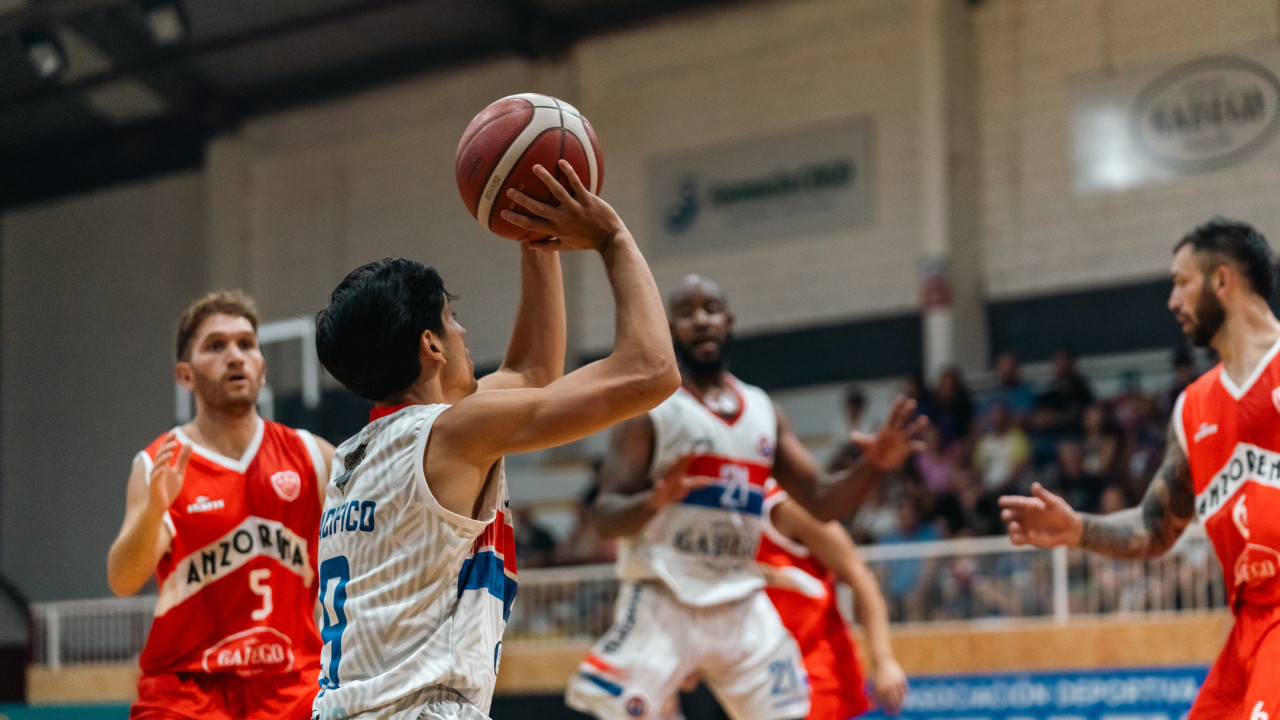
This organization matters. Coaches should not have to scrub through the entire recording every time they want to revisit a player or prepare a team meeting. The useful moments should already be separated from the raw footage.
A season record, not an isolated report
One game can mislead. A season reveals direction.
Each breakdown should add to every player’s history, making it easier to compare games and see how minutes, shooting, turnovers, and other contributions change over time. The value grows when the next upload joins the previous one instead of becoming another disconnected file.
What still needs a human eye
Automation can record what happened. Coaches and analysts decide why it happened and what to do next.
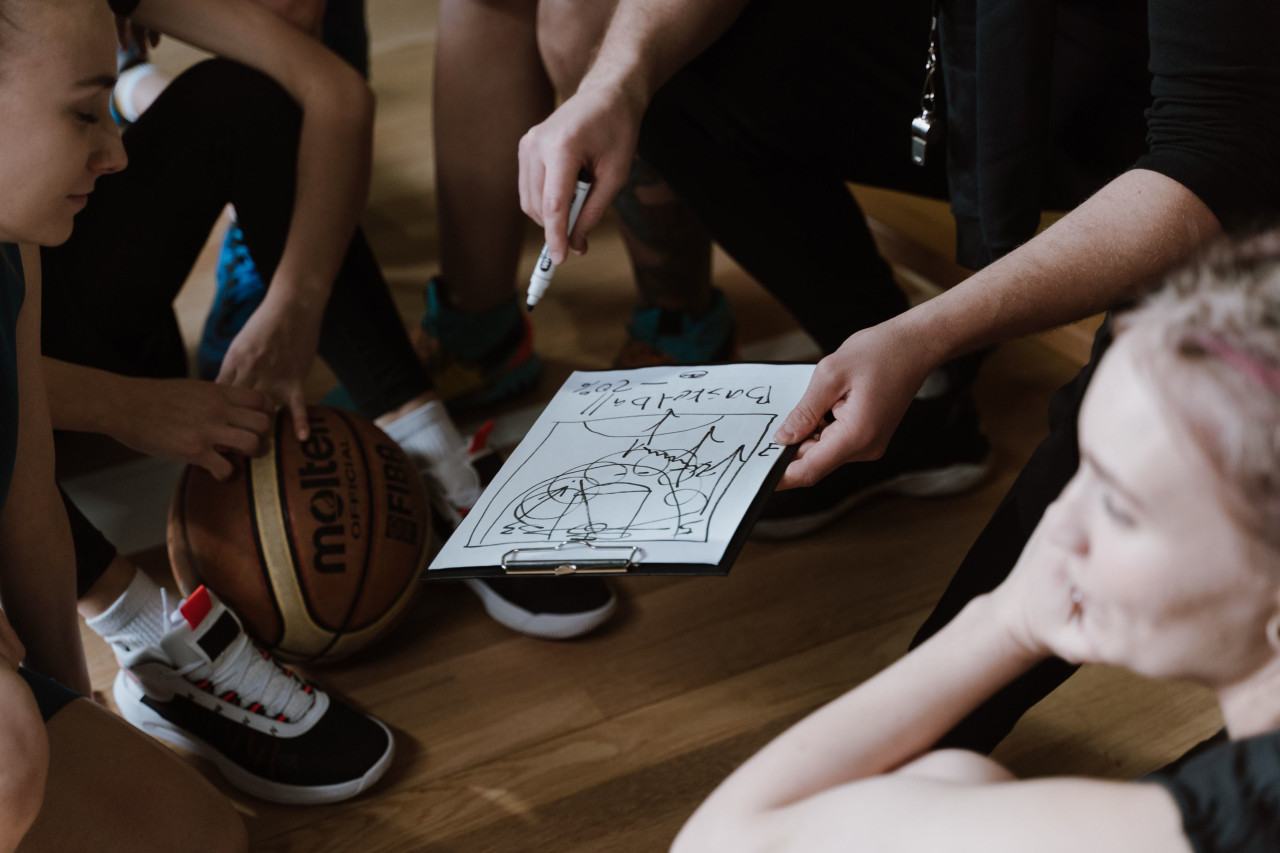
A human still decides:
- Whether a made shot came from good offense or bailed out a poor possession
- Which coverage broke down and who needs to see the clip
- What should change in the next game plan
- Which lesson matters most for an individual player
That is the valuable work. Counting events and sorting clips should support it, not consume the hours available for it.
The breakdown also needs a correction path. If something looks wrong, the person who owns the analysis should be able to edit it or ask for it to be fixed. Reliable film work does not require pretending that software never makes a mistake; it requires making corrections clear and manageable.
The workflow should be simple
- Upload the game film from the camera you already use. There is nothing to install in the gym.
- Playtics breaks down the game for every player and both teams.
- Open the results a few hours later: box scores, shot zones, minutes, plus-minus, and highlights for every player, team, and game.
- Review and edit if needed, then use the results with your staff and players.
The goal is not to remove the coach from film study. It is to let the coach begin with an organized record of the game instead of an empty spreadsheet and an hour of footage.
Want to see what this looks like for your team? Tell us how you film.